

Most pastors face retirement without a clear plan that protects their income, housing, healthcare, and God-given purpose. You might worry about how to maintain your lifestyle and calling once active ministry slows down. This guide offers a faith-based framework to build a pastor retirement plan that safeguards what matters most—starting with the essential checklist, a clarity call, and practical next steps tailored just for you.
Crafting a Secure Income Plan

Building a steady income post-retirement is crucial for peace of mind. Let’s explore ways to ensure your financial stability without compromising your values.
Reliable Income Streams for Pastors
One of the key steps in retirement planning for pastors is identifying ethical income streams. Imagine supplementing your savings with royalties from a book you wrote about faith. Not only does this provide income, but it also shares your wisdom with others. You could also consider consulting or speaking engagements. Both options allow you to share your ministry experiences while earning. Many pastors find joy in using their skills in new ways, like teaching part-time at a local seminary.
These routes not only create income but also keep you connected to your call. Remember, diversifying your income streams can help protect against financial uncertainty. As you explore these options, keep in mind that your unique skills can open doors to unexpected opportunities. Check out this free book on Building Passive Income Streams for Pastors at https://PastorRetirement.com
Navigating Pastor Pension Planning
Understanding your pension options is vital. A common choice is a 403(b) plan, which is tailored for church workers. This plan helps you save with tax benefits, ensuring your money grows efficiently. Discover how a 403(b) can benefit you.
It’s wise to review your pension plan regularly. This way, you can adjust based on your goals and current financial situation. Many pastors find it helpful to consult with a financial advisor familiar with ministry needs. They can guide you in maximizing your benefits and planning wisely for the future. By staying informed and proactive, you secure a more predictable retirement income.
Faith-Based Financial Planning Essentials
Faith-based financial planning prioritizes aligning your money decisions with your beliefs. Start by setting clear financial goals. Are you planning to support a charity or leave a gift to your church? Knowing your priorities helps direct your planning efforts.
Next, create a budget that reflects your values. This might include setting aside funds for charity or community projects. A faith-based advisor can provide tailored advice. They understand the importance of ethical investing and can help you make decisions that reflect your principles. By planning with faith in mind, you ensure that your financial journey supports your lifelong mission.
Housing and Healthcare Considerations

As you plan for retirement, housing and healthcare are pivotal. Securing these aspects ensures a comfortable and stress-free future.
Manse and Housing Options for Clergy
Housing is a significant concern for retired pastors. You might consider staying in your current home or moving to a community for retired clergy. Some pastors choose to purchase a home, using their savings or church support. The manse housing allowance can also be a valuable resource. It allows pastors to receive tax benefits on housing expenses. Learn more about this housing allowance.
Choosing the right option depends on your needs and finances. Consider proximity to family, community ties, and maintenance costs. Each choice has pros and cons, so weigh them carefully. With thoughtful planning, you can find a housing solution that supports your lifestyle and well-being.
Ensuring Healthcare for Retired Pastors
Healthcare is another critical factor. As you age, medical needs may increase, making comprehensive coverage essential. Start by reviewing your current healthcare plan. Consider options like Medicare or supplemental insurance. Many retired pastors benefit from exploring healthcare plans offered by religious organizations. They often provide coverage tailored to the unique needs of clergy.
Additionally, consider setting up a health savings account (HSA). This can help cover out-of-pocket expenses. By planning for healthcare now, you avoid future stress and ensure access to necessary medical services.
Managing Housing and Health Expenses
Balancing housing and healthcare costs is vital for financial stability. Create a budget that accounts for monthly expenses and unexpected costs. Many retirees find it helpful to track spending over time, making adjustments as needed. This practice provides insight into your financial habits and helps maintain control over your finances.
Consider resources like the retired clergy housing allowance to ease financial burdens. With careful planning, you can manage these expenses effectively, ensuring a comfortable retirement without financial strain.
Preserving Purpose and Legacy

Retirement doesn’t mean the end of your calling. Let’s explore ways to remain purposeful and leave a lasting impact.
Sustaining God-Given Purpose Post-Retirement
Many pastors fear losing their purpose after retirement. However, this phase offers new ways to serve. Consider mentoring young pastors or volunteering in your community. Both options allow you to share your wisdom and remain active in the church.
Writing about your experiences or starting a ministry blog can also be fulfilling. It keeps you engaged and connects you with others. Remember, retirement is not an end but a transition. Embrace the change and explore new ways to continue your mission.
Legacy Planning for Church Leaders
Leaving a legacy is a powerful way to impact future generations. Start by identifying the values and achievements you wish to pass on. This might include endowing scholarships or establishing a community fund.
Engage your family and church in these discussions. Their input can provide valuable insights and ensure your legacy aligns with communal needs. By planning your legacy, you ensure your life’s work continues to inspire and support others.
Estate Planning for Ministers
Estate planning is a crucial step in retirement preparation. It ensures your assets are distributed according to your wishes. Begin by creating a will and appointing a trusted executor. This person will oversee your estate and ensure your wishes are honored.
Consider consulting an estate planning professional familiar with ministry needs. They can guide you through the process and help avoid common pitfalls. With a solid estate plan, you protect your family’s future and ensure your legacy is preserved.
By following these steps, you create a comprehensive retirement plan that honors your faith, supports your lifestyle, and continues your mission.
Take Action Today
Don’t let another day pass without taking concrete steps toward your retirement security. Visit RetirementPlanningforPastors.org for additional resources, tools, and personalized guidance specifically designed for pastors and ministry workers.
Your years of faithful service deserve a secure and dignified retirement. The time to act is now.
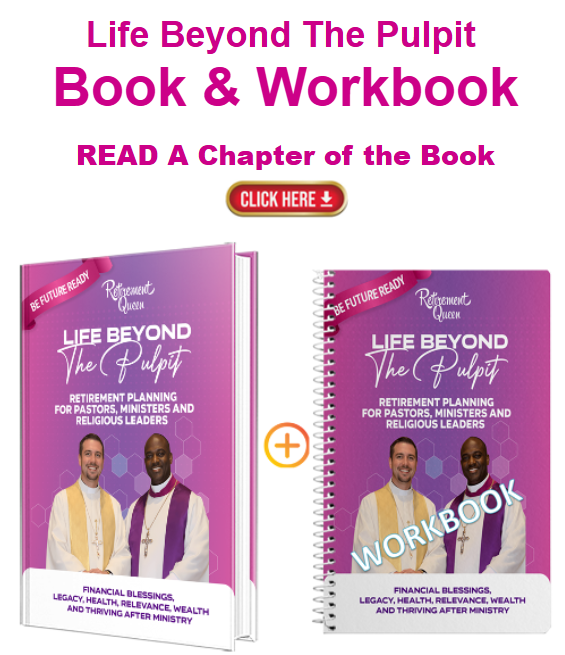
This is Life Beyond the Pulpit—done wisely with the help of the Retirement Queen







Leave a Reply