

Mid-year often feels tighter than it should, especially when unseen spending habits chip away at your pastoral finances. These small leaks add up, straining your ministry cash flow and clouding your retirement planning for pastors. Let’s uncover seven hidden spending habits that quietly drain your resources—and share simple, faith-aligned steps to regain control before the year slips away. Download the free retirement guideline for Pastors and start securing your financial wellbeing today.
Tackling Hidden Spending Habits

The middle of the year often reveals financial strains that went unnoticed in the hustle of the first months. For pastors, these strains can be especially troubling as they balance ministry and personal life. Let’s take a closer look at these hidden spending habits.
Unmasking Mid-year Budget Strains
Many pastors find themselves wondering why their budget feels tight halfway through the year. The answer lies in unnoticed spending patterns that creep in over time. It’s easy to overlook small, recurring expenses that, collectively, make a big impact on your finances.
Unexpected costs such as vehicle repairs or increased utility bills can add up quickly. These expenses often go unnoticed until they become a significant drain on resources. By identifying these patterns early, you can reclaim control over your budget.
Another common issue is the gradual increase in discretionary spending. As the year progresses, small indulgences can snowball into a larger financial burden. Keeping track of these expenses is crucial for maintaining a healthy budget.
Identifying Pastoral Financial Leaks
Pastors often face unique financial challenges that can lead to budget leaks. One area of concern is the cost of ministry-related activities. These can include travel expenses for conferences or additional materials for church events. While these are important, they need careful budgeting to avoid overspending.
Personal spending on items like books or resources for personal development can also add up. While these are investments in your growth, it’s essential to prioritise and budget for them appropriately.
Lastly, subscription services or memberships can be silent budget-eaters. Reviewing these regularly and cutting unnecessary ones can help you save money.
Simple Faith-aligned Fixes
Addressing these hidden spending habits requires a faith-aligned approach. Start by setting a clear financial goal that reflects your values and commitments. This goal will guide your spending decisions and help you stay on track.
Implementing a monthly review of your expenses can reveal areas where you might be overspending. This practice, combined with prayerful consideration, can lead to more intentional financial decisions.
Consider involving your congregation in your journey towards better stewardship. Sharing your goals and progress can inspire others and create a supportive community focused on financial responsibility.
Effective Mid-year Spending Audit

As you tackle hidden spending habits, conducting a mid-year audit is essential. This process will provide a comprehensive view of your financial situation and highlight areas for improvement.
Steps for a Comprehensive Audit
-
Gather Financial Statements: Collect all your financial documents, including bank statements and receipts. This comprehensive view will help you identify spending patterns.
-
Categorise Expenses: Sort your expenses into categories such as personal, ministry, and discretionary. This will make it easier to see where your money is going.
-
Identify Patterns: Look for recurring expenses that may be unnecessary. This step often reveals surprising areas where you can cut back.
-
Set New Goals: Based on your findings, set new financial goals for the remainder of the year. Ensure these align with both your personal and ministry needs.
Tools for Pastoral Finances Review
Utilising financial tools can simplify the process of reviewing your finances. Budgeting apps or spreadsheets can help you track your income and expenses effectively.
Consider using online resources specifically designed for pastors. These platforms often offer tailored advice, aligning with your unique financial landscape. This article provides helpful insights for a mid-year financial reset.
Don’t forget to seek advice from trusted financial advisors who understand the pastoral context. Their guidance can be invaluable as you navigate financial decisions.
Encouraging Stewardship and Budgeting
Promoting stewardship within your congregation can have a positive effect on your personal finances. As a leader, you can model responsible budgeting and inspire others to follow suit.
Consider hosting workshops or discussions on budgeting and financial planning. These can be opportunities for learning and growth within your community.
Sharing your progress and challenges with your congregation creates a transparent and supportive environment. This openness reinforces the importance of financial stewardship and encourages collective responsibility.
Building Sustainable Financial Stability

Creating a sustainable financial future involves more than just cutting costs. It requires strategic planning and a commitment to long-term stability.
Strategies for Ethical Income Streams
Exploring ethical income streams can provide additional financial security. Consider opportunities that align with your values, such as writing books or offering online courses related to your ministry. check out this resource on Passive Income for Pastors
Investing in community projects that generate income while serving the community can be another avenue. These projects can support your financial goals while reinforcing your commitment to service.
Remember to evaluate each opportunity against your financial and ethical standards. This ensures that your income sources remain aligned with your calling.
Retirement Planning for Pastors
Planning for retirement is a crucial aspect of long-term financial stability. Start by assessing your current retirement savings and identifying any gaps.
Consider attending workshops or courses that offer guidance on retirement planning for pastors. These resources provide tailored advice to help you secure your financial future.
Engaging with a retirement mentor, like Bibi Apampa, can offer valuable insights and support throughout your planning process.
Legacy and Estate Planning Essentials
Legacy and estate planning are vital for ensuring that your values and commitments continue beyond your lifetime. Begin by outlining your wishes and discussing them with your family.
Seek legal advice to ensure that your plans are properly documented and aligned with your desires. This step provides peace of mind and protects your legacy.
Consider how you can involve your congregation in your legacy planning. This involvement can strengthen community ties and ensure that your contributions continue to impact others positively.
By addressing these hidden spending habits and implementing strategic financial planning, you can secure a prosperous future for yourself and your ministry. Remember, taking action today can lead to a more stable and fulfilling tomorrow.
Take Action Today
Don’t let another day pass without taking concrete steps toward your retirement security. Visit RetirementPlanningforPastors.org for additional resources, tools, and personalized guidance specifically designed for pastors and ministry workers.
Your years of faithful service deserve a secure and dignified retirement. The time to act is now.
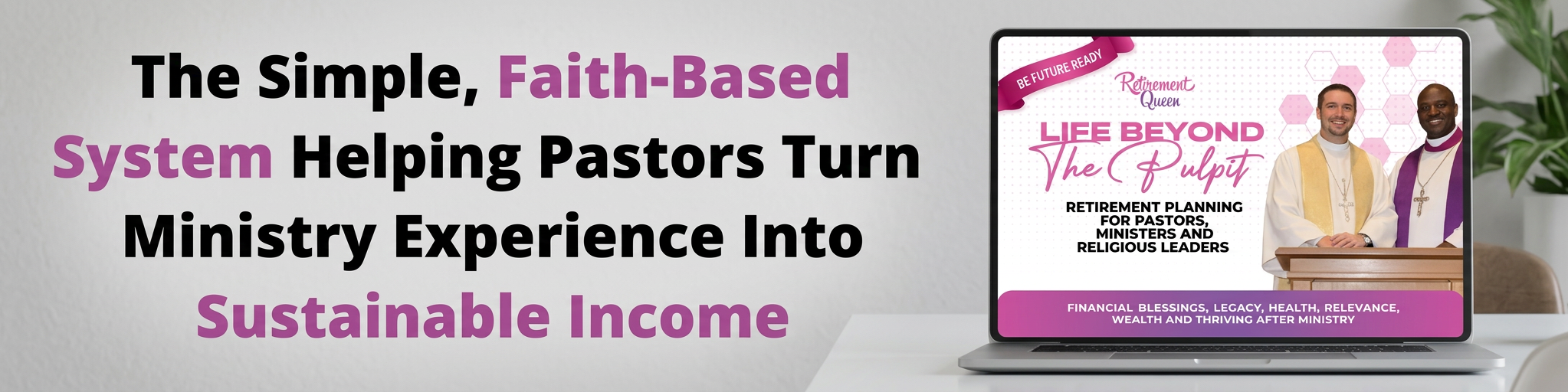
This is Life Beyond the Pulpit—done wisely with the help of the Retirement Queen
Article by Bibi Apampa The Retirement Queen contact her at https://RetirementQueen.net







Leave a Reply