

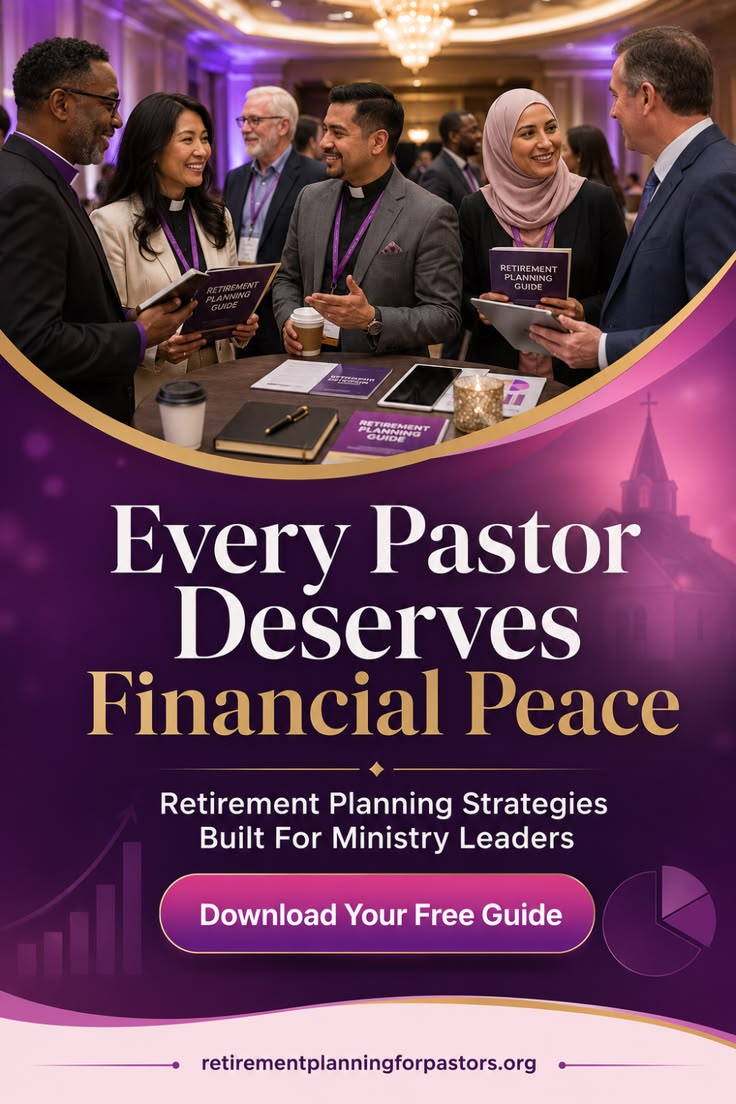
Many church leaders approach retirement with faith and hope, yet overlook key retirement gaps that quietly threaten their financial security. Missing these gaps can mean unexpected struggles after years of devoted service. This post reveals 9 common retirement gaps for pastors, paired with faith-based solutions that guard your legacy and income. Take the first step today—secure your future with a clear, confident plan rooted in stewardship and purpose. For further insights, visit this link.
Common Retirement Gaps in Ministry
Retirement planning for pastors is crucial, yet many leaders miss key areas. Understanding these gaps helps ensure financial security and peace of mind after ministry. Let’s explore these gaps and ways to address them.
Income Replacement Realities
As you approach retirement, it’s vital to consider how you’ll replace your paycheck. Many pastors rely heavily on their current income, which may not be sustainable once they retire. Exploring alternatives like passive income or part-time work can help bridge this gap.
Having savings or investments provides a reliable source of income. Consider setting up a savings plan or consulting a financial adviser to explore options. Keeping a diversified portfolio is crucial to protect against market fluctuations.
Pension Pitfalls and Shortfalls
Many church leaders find that pensions don’t cover their needs in retirement. Assessing your pension early allows you to plan for any potential shortfalls. Knowing what to expect from your pension helps you make informed decisions about additional savings.
Explore options for boosting your retirement funds. This could mean contributing more to your pension or exploring other savings vehicles. It’s vital to ensure you won’t be left struggling financially when you retire.
Housing and Healthcare Challenges

Housing and healthcare are two significant concerns for retirees. Understanding your options and planning can ease these worries. Let’s delve into these key areas.
Manse and Vicarage Transition Plans
Transitioning from a manse or vicarage can be challenging. As these properties often belong to the church, you might need to secure different housing for retirement. Planning early is vital to avoid stress later.
Consider whether renting or buying a property suits your needs best. Some leaders choose to downsize, reducing costs and maintenance. It’s essential to evaluate your options and plan a smooth transition.
Medical and Long-term Care Costs
As you age, healthcare becomes increasingly important. Medical expenses can be substantial, so having a strategy to cover these costs is crucial. Investigating insurance options can provide peace of mind.
Long-term care insurance is one way to offset future expenses. It ensures you have the necessary support without draining your savings. Consider your health needs and future care requirements to make an informed choice.
Financial Stewardship and Legacy

Proper financial stewardship helps secure your future and maintain your legacy. Being proactive in planning ensures you leave behind a meaningful impact.
Tax Implications for Clergy
Understanding tax obligations is crucial for church leaders. Clergy taxes can be complex, with unique rules and benefits. Familiarising yourself with these helps avoid unexpected issues.
Consult a tax professional with experience in clergy taxes. They can guide you through the process and highlight potential savings. Ensuring your taxes are in order brings peace of mind as you plan for retirement.
Legacy and Purposeful Planning
Planning your legacy involves more than finances. It’s about ensuring your values and contributions continue to impact others. Consider how you want to be remembered and what you want to leave behind.
Estate planning is a key part of this process. It’s essential to have a will and ensure your assets are distributed according to your wishes. Thoughtful planning today leaves a lasting legacy for your loved ones and community.
Frequently Asked Questions
What should pastors consider when planning for retirement?
Pastors should consider income replacement, pension shortfalls, housing, and healthcare. It’s also important to understand tax implications and plan for a meaningful legacy.
How can church leaders prepare for housing changes in retirement?
Church leaders can explore options like renting or buying a home. Planning early and evaluating your needs helps ensure a smooth transition from church-provided housing.
Why is understanding clergy taxes important for retirement?
Understanding clergy taxes helps avoid unexpected financial issues. It also ensures you’re maximising any available benefits and deductions, contributing to a secure financial future.
What is the role of legacy planning in retirement?
Legacy planning ensures your contributions and values continue impacting others. It involves estate planning and making decisions about how you want to be remembered.
How can pastors address pension shortfalls?
Pastors can address shortfalls by boosting their savings, exploring additional retirement accounts, or considering other income sources like part-time work or investments.






Leave a Reply