

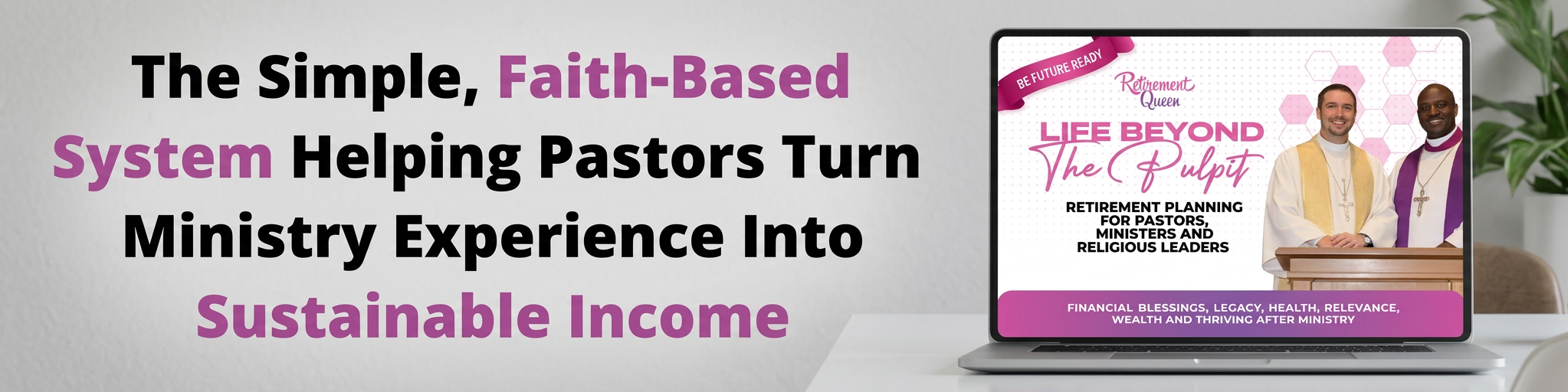
Retirement planning for pastors isn’t one-size-fits-all. Your ministry has shaped your life in ways few understand, from irregular income to living in a manse. Without a strategy that reflects these realities, your future security and legacy may be at risk. Let’s explore how a ministry retirement strategy can protect your calling and bring peace to your next chapter. Read more.
Importance of Tailored Retirement Planning
Navigating life after ministry requires more than a generic retirement plan. It demands a strategy that honours your calling and prepares you for a new purpose.
Unique Challenges of Ministry Retirement
As a pastor, your financial life is unique. Irregular incomes, often dependent on offerings, make saving challenging. Plus, living in a manse means you may not own property when retirement approaches. These factors contribute to a potential shortfall in traditional pension plans, leaving you vulnerable. Understanding these challenges is the first step in crafting a secure future.
Many pastors feel anxious about retirement, fearing the loss of identity and purpose. Most pastors have served their communities selflessly, often putting their needs last. It’s crucial to shift this mindset and see retirement as a continuation of your ministry in a different form. Recognising and addressing these challenges early can transform this transition into a fulfilling new chapter.
Personalised Solutions for Pastoral Needs
Tailored solutions are essential to meet the specific needs of ministers. A faith-aligned, personalised plan can help you navigate these challenges. Financial advisors who understand ministry nuances can develop strategies addressing your unique circumstances. This includes creating savings plans that consider irregular income and exploring property ownership options.
Pastors often have a wealth of skills that can be translated into income-generating activities aligned with their values. Teaching, writing, or consulting are avenues that can provide both purpose and financial support. By focusing on ethical income streams, you can ensure that your retirement is both fulfilling and financially secure.
Building Ethical Income Streams

Creating revenue streams post-ministry is about more than money; it’s about aligning with your values. Ethical income ensures that your retirement reflects your life’s work.
Sustainable Revenue Without Compromise
Building income doesn’t mean compromising your values. Consider starting with what’s familiar. Maybe you’ve honed skills in counselling or teaching, which translate well into part-time roles. These avenues not only provide income but also keep you engaged with communities.
Ethical investing is another option. Many pastors shy away from investments, fearing it conflicts with their values. However, faith-based funds offer opportunities to grow wealth responsibly. By investing in companies that resonate with your principles, you can achieve financial growth while staying true to your beliefs.
Financial Security Through Faith-Based Planning
Financial planning grounded in faith offers peace of mind. It ensures that your retirement reflects the principles you’ve lived by. Faith-based financial planning isn’t just about wealth; it’s about stewardship. This approach allows pastors to secure their future while continuing their commitment to ethical practices.
Diversifying income sources is key. Explore multiple streams: perhaps rental properties, speaking engagements, or writing. This diversity not only provides security but also enriches your retirement, allowing you to continue your ministry in different forms.
Securing Your Ministry Legacy

Safeguarding your legacy means ensuring that your life’s work continues to impact others positively. It’s about more than financial security; it’s about lasting influence.
Protecting Family and Ministry Impact
Your legacy is intertwined with both family and ministry. To protect it, start by creating a comprehensive estate plan. This ensures that your family is cared for and that your ministry’s impact endures. Consider working with professionals who understand both financial and spiritual aspects to create a plan that aligns with your values.
Additionally, think about mentorship. Passing on your knowledge to younger ministers can extend your legacy beyond your active years. This not only secures your influence but also enriches the lives of those following in your footsteps.
Pastoral Wellbeing in Retirement
Wellbeing is crucial in retirement. It’s about maintaining physical, mental, and spiritual health. Establish routines that support these areas: regular exercise, meditation, and continued engagement in ministry-related activities can all contribute to a fulfilling retirement.
Engage with communities and support systems. Many pastors find solace in groups that share similar experiences and challenges. This support can provide the encouragement needed to navigate retirement confidently. Remember, retirement isn’t the end; it’s a new beginning filled with opportunities to impact lives in fresh and meaningful ways.
Frequently Asked Questions
How do pastors start planning for retirement?
Start by assessing your current financial situation, including savings and income sources. Seek advice from financial planners who understand ministry-specific needs and explore options like faith-based investing.
What are ethical income streams for retired pastors?
Consider leveraging skills in areas like teaching, writing, or consulting. Explore faith-based investment funds that align with your values and provide financial growth.
How can pastors ensure their legacy continues?
Develop a comprehensive estate plan to protect family and ministry impact. Engage in mentorship opportunities to pass on knowledge and influence future generations.
For more information on retirement practices for pastors, visit this guide.









Leave a Reply